
The History of India

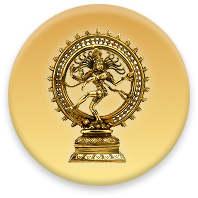
Nataraja

NATARAJA

The Nataraja is a profound Hindu icon, representing lord Shiva as the "Lord of the Dance" (Nataraja).

South Indian History

South India formed with isolation, allowing many hunter-gatherers to hunt freely, and others told stories of the distant past. This area was defined by a "Indo-Persians" cultural fusion. India developed powerful kingdoms such as the Chola Empire, Pandya Dynasty, and Vijayanagara Empire. These empires built large temples and expanded maritime trade across Asia.

North Indian History

In North India, any ancient civilizations grew along the Indus River valley. The Indus Valley Civilization was one of the world's earliest urban societies. Major empires ruled this region, including the Maurya Empire and the Mughal Empire. Cities like Delhi became political centers for many dynasties.

The North Mughal Empire

From the 16th to the 18th century, the Mughal Empire unified much of North and Central India. This era was defined by a "Indo-Persians" cultural fusion. Under leaders like Akbar the Great, the empire saw religious tolerance and massive economic growth, while Shah Jahan commissioned the Taj Mahal, marking the peak of Mughal architecture.
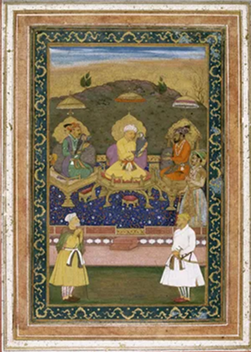
Mughal Empire painting

Image of many Mughal Empire emperors in one ancient Indian painting
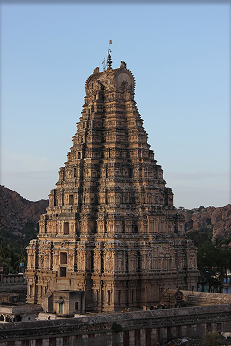
Virupaksha Temple

Image of the Virupaksha temple created by the Vijayanagara Empire

The South Vijayanagara Empire

While the North saw Mughal rule, the South was dominated by the Vijayanagara Empire. Known as the "City of Victory," it served as a powerful defense of Hindu culture and Sanskrit literature. Their focus, at Hampi, built the sprawling stone temple complexes at Hampi and established massive maritime trade networks that connected South India to Southeast Asia and Portugal. Additionally, the Vijayanagara empire built impressive architectural structures, as shown in the image to the right.

The Independence Struggle

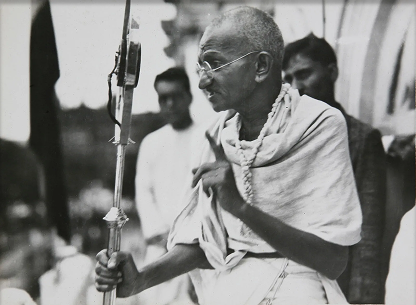
Following the decline of the Mughals, the British East India Company seized control, leading to the Rebellion of 1857. This sparked a century-long struggle for sovereignty. The movement eventually transitioned into a massive non-violent campaign led by Mahatma Gandhi, alongside revolutionary efforts by leaders like Subhas Chandra Bose, culminating in India's independence in 1947.

Mahatma Gandhi

Image of Mahatma Gandhi leading the non-violent movement against the British

Important People Who Shaped India

Ashoka the Great

An ancient emperor who after the Kalinga War (3rd c. BCE) renounced violence and spread Buddhism across Asia.

Rajaraja Chola I

A southern king who built the Brihadeeswarar Temple and established one of India's greatest maritime empires.

Akbar the Great

A Mughal Emperor who created a centralized administration and promoted "Din-i-Ilahi" (religious syncretism).

Dr. B.R. Ambedkar

A modern jurist and social reformer who served as the principal architect of the Indian Constitution.